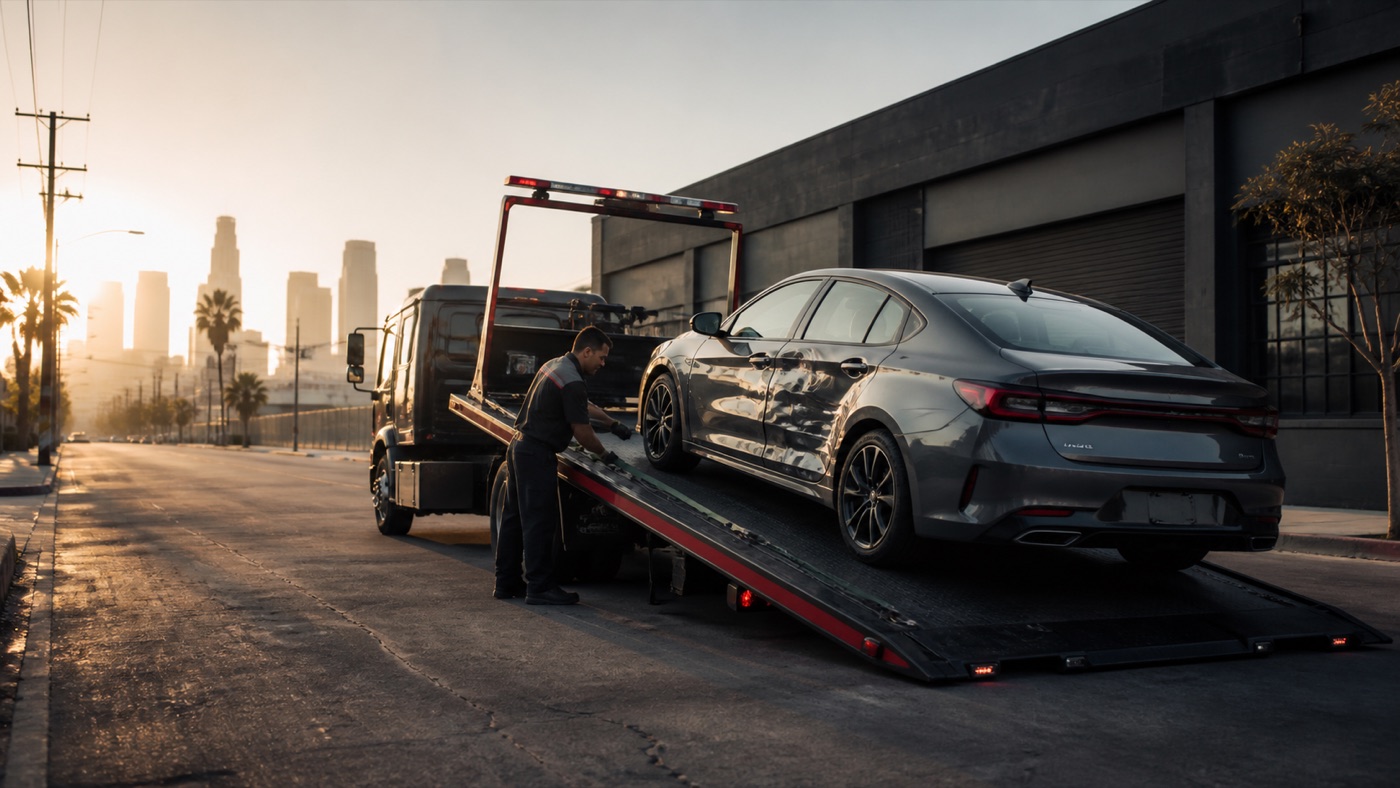
The minutes after a collision can feel chaotic. Focus first on safety, then collect the information that will help with your claim and repair.
1. Stop and check for injuries
Stop as close to the scene as safely possible. Check yourself and your passengers. Call 911 immediately if anyone may be injured, a vehicle is blocking traffic, there is fire or smoke, or the scene feels unsafe.
2. Move to a safer position when appropriate
If the vehicle can be moved safely and local authorities direct you to do so, move out of active traffic. Turn on hazard lights. Do not drive away if steering, braking, wheels, fluids, airbags, or structural areas may be compromised.
3. Document the scene
Use your phone to photograph all vehicles, license plates, damage, road conditions, traffic signs, debris, and the wider scene. Capture more than close-ups—wide photos help show how the collision occurred. Save dash-camera footage if available.
4. Exchange essential information
- Names, phone numbers, and addresses
- Driver’s license and license plate information
- Insurance company and policy information
- Vehicle year, make, model, and color
- Contact details for witnesses
Stay calm and factual. Avoid arguing or making statements about fault at the scene.
5. Make the required reports
Cooperate with responding authorities and keep the incident or report number. Notify your insurance carrier promptly and save the claim number, adjuster contact information, and any instructions you receive.
6. Choose a repair facility and arrange towing
You generally have the right to choose the repair shop. If the vehicle may be unsafe, have it towed instead of taking a risk. A collision repair estimate may begin with visible damage, but teardown can reveal hidden structural, sensor, suspension, and mounting damage.
Top Rank Auto Collision can help you begin an estimate or towing request and explain the next repair step.
Call (323) 792-1446This article provides general information, not legal, medical, or insurance advice. For emergencies, call 911.