Author: admin

  • Hello world!

    Welcome to WordPress. This is your first post. Edit or delete it, then start writing!
  • When Should a Damaged Vehicle Be Towed?

    When Should a Damaged Vehicle Be Towed?

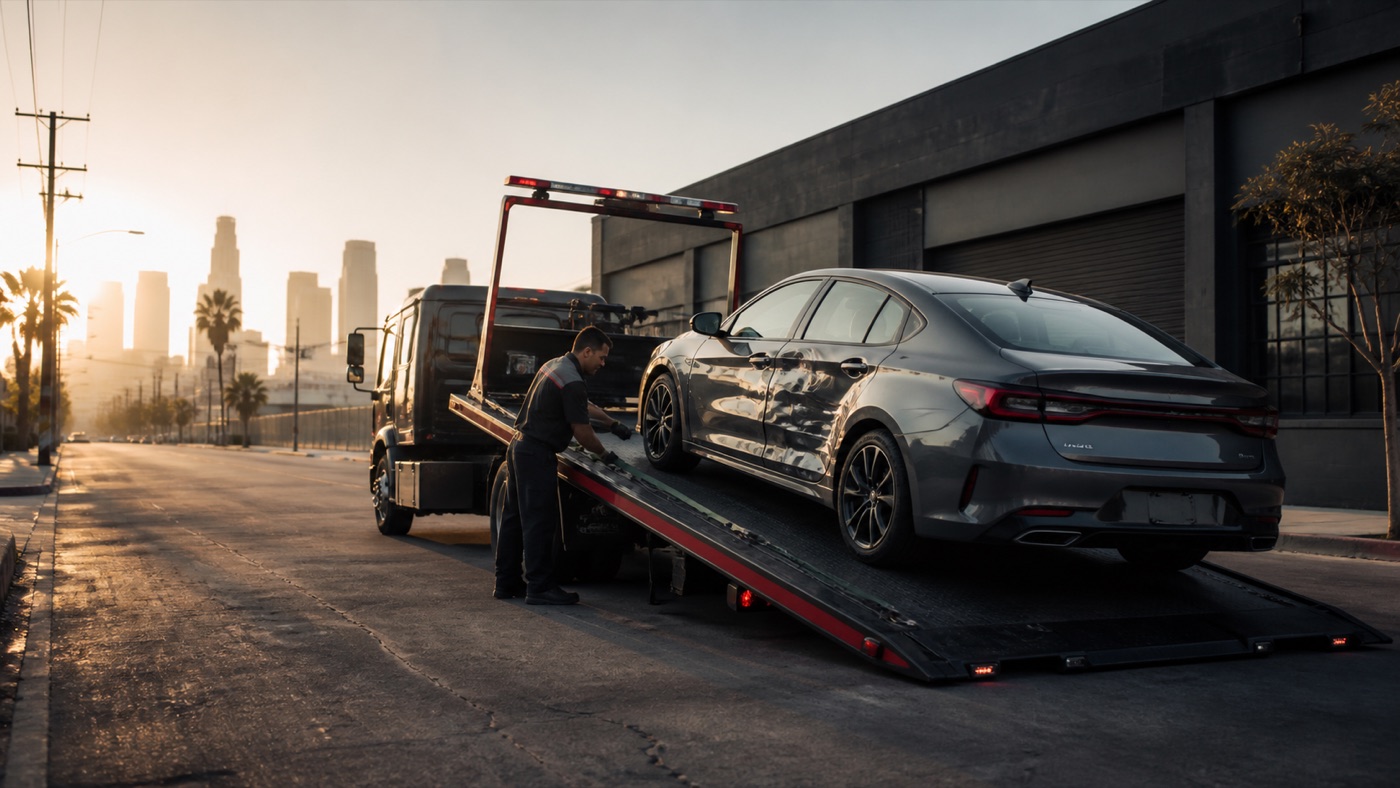
    A vehicle can appear drivable after a crash and still be unsafe. When there is doubt about steering, braking, wheels, fluids, airbags, or structure, towing is the safer choice.

    Do not drive if you notice these warning signs

    • Leaking fuel, coolant, oil, or other fluid
    • Smoke, sparks, unusual odors, or overheating
    • A wheel rubbing, leaning, locked, or visibly out of position
    • Steering that pulls, binds, or no longer feels normal
    • Reduced braking, a soft pedal, or warning lights
    • Deployed airbags or damaged seat-belt systems
    • Broken lights, glass, mirrors, or loose body panels
    • Damage near the battery, high-voltage components, or charging system
    • A hood, door, trunk, or hatch that will not secure

    Why “just a short drive” can make things worse

    Driving can turn a manageable problem into greater mechanical or structural damage. A loose liner can cut a tire, leaking coolant can overheat an engine, and misaligned suspension can affect control. It may also put occupants and other drivers at risk.

    What to tell the tow dispatcher

    Share the exact location, vehicle year and model, visible damage, whether wheels roll, whether the vehicle is in traffic, and whether it is electric or hybrid. Ask for a flatbed when the vehicle condition or manufacturer guidance calls for one.

    Where should the vehicle go?

    If you already know which repair facility you want, ask whether the vehicle can be delivered there. Keep the tow receipt and note where the keys are left. Photograph the vehicle before it is loaded when it is safe to do so.

    Unsure whether it is safe to drive?

    Do not guess. Top Rank Auto Collision can help you discuss the situation and begin a towing request.

    Call for towing help
  • Why Collision Repair Estimates Change After Teardown

    Why Collision Repair Estimates Change After Teardown

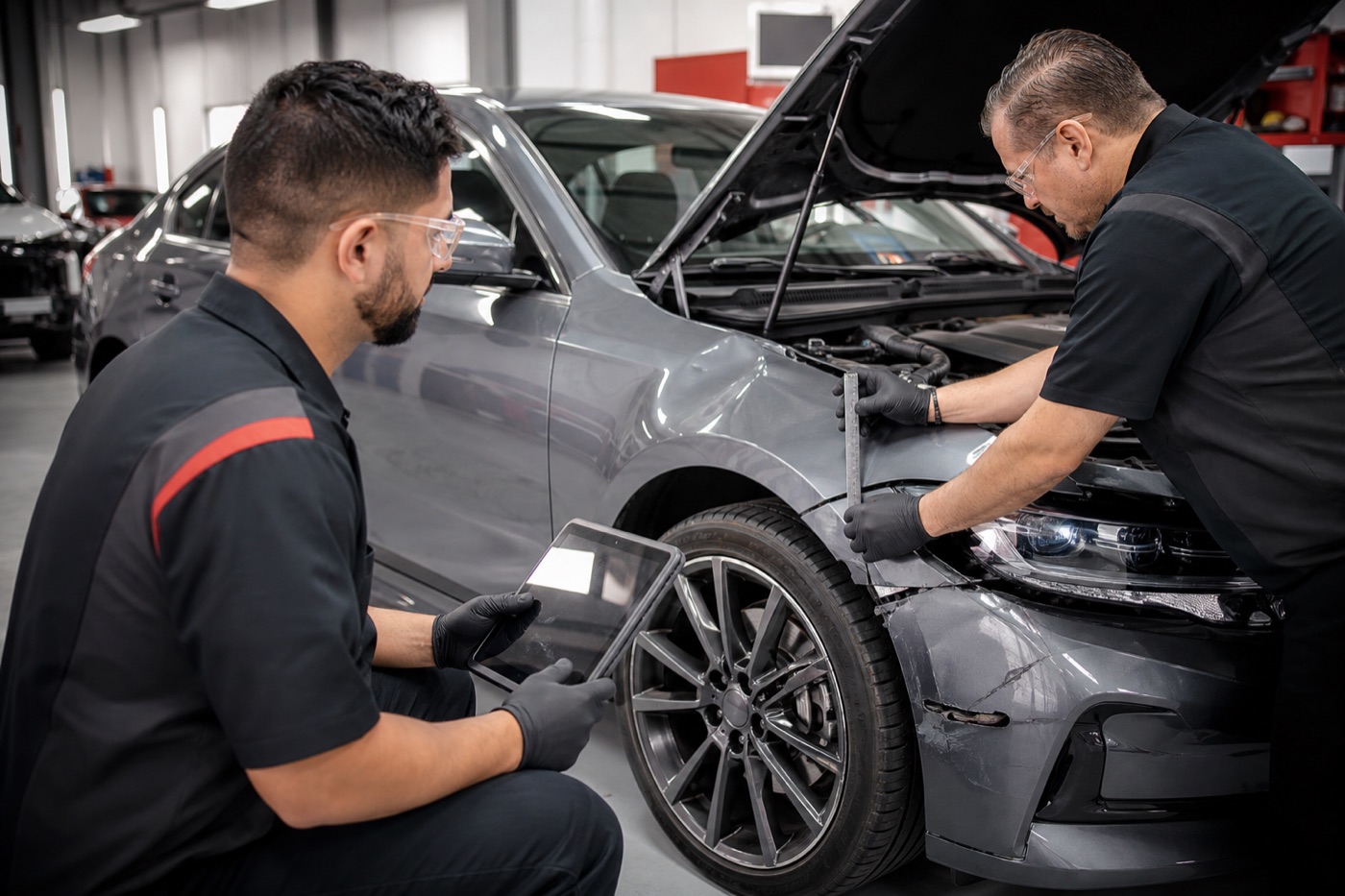
    The first estimate is based on what can be seen. Once damaged parts are removed, a technician may discover additional damage that changes the repair plan.

    A visible estimate is a starting point

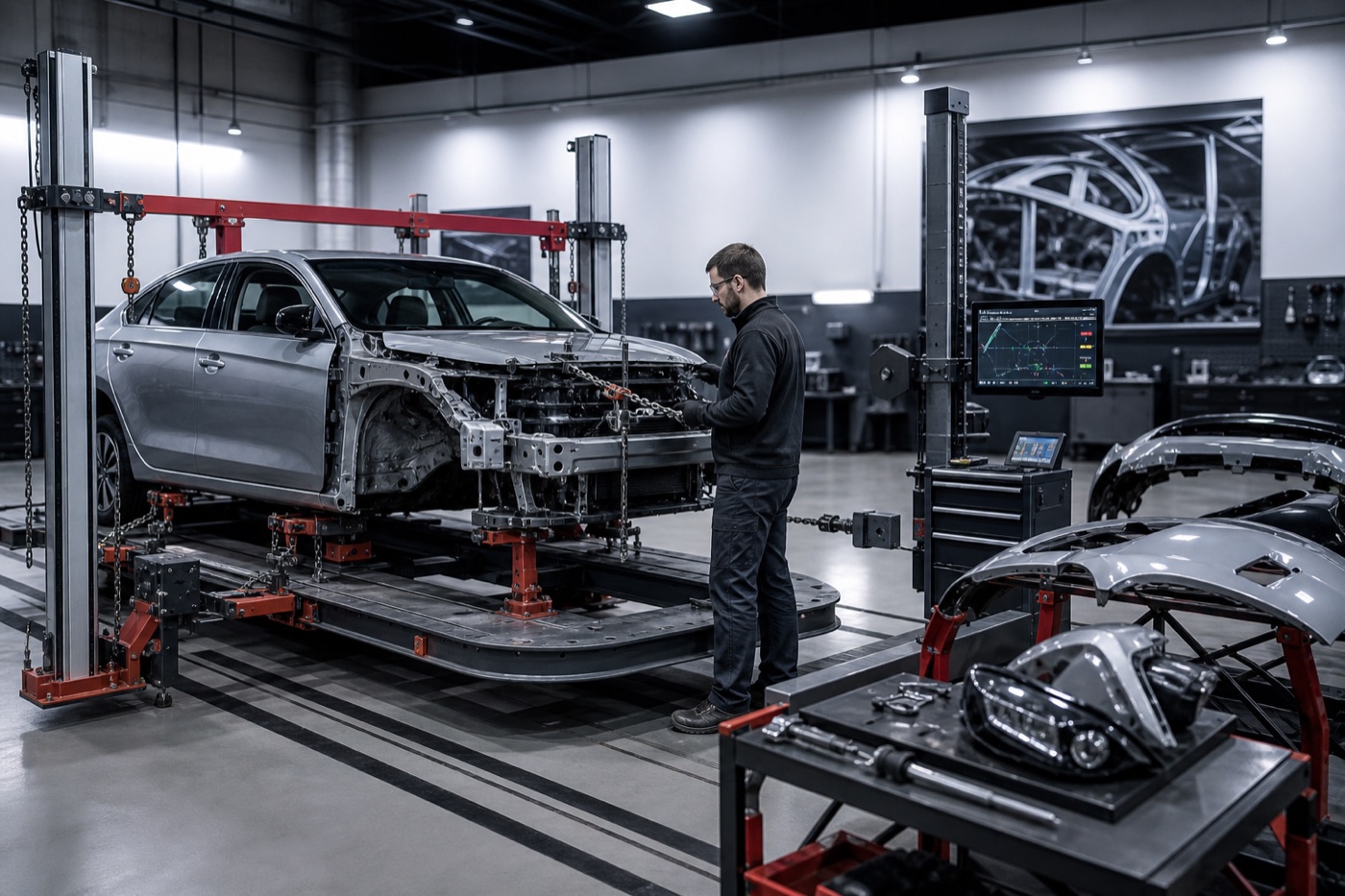
    Modern vehicles pack sensors, brackets, absorbers, wiring, cooling components, suspension parts, and structural reinforcements behind exterior panels. A bumper cover can look repairable while parts behind it are cracked, shifted, or no longer positioned correctly.

    What happens during teardown?

    The shop carefully removes selected damaged components to inspect the areas underneath. Technicians document findings with measurements and photos, check parts availability, and compare the damage with appropriate repair procedures.

    Why a supplement may be needed

    When newly discovered damage was not included in the original estimate, the shop prepares a supplement. This is an updated request that explains additional labor, parts, materials, or operations needed for a complete repair. The insurer may review the documentation before authorizing the change.

    Common hidden-damage discoveries

    • Cracked bumper reinforcement or energy absorbers
    • Bent mounting points, rails, or structural areas
    • Damaged cameras, radar units, sensors, or wiring
    • Suspension or wheel-alignment problems
    • Broken clips, brackets, lamps, or cooling components
    • Additional refinishing or calibration requirements

    Parts choices can affect the plan

    OEM, recycled, and alternative parts may be considered depending on the approved estimate, vehicle needs, availability, and insurer or customer authorization. Good repair planning makes those choices clear before the work moves forward.

    A changed estimate does not automatically mean something went wrong.

    Often it means the shop completed a more thorough inspection and documented damage that could not be confirmed from the exterior.

    Discuss your estimate
  • What to Do Immediately After a Car Accident

    What to Do Immediately After a Car Accident

    The minutes after a collision can feel chaotic. Focus first on safety, then collect the information that will help with your claim and repair.

    1. Stop and check for injuries

    Stop as close to the scene as safely possible. Check yourself and your passengers. Call 911 immediately if anyone may be injured, a vehicle is blocking traffic, there is fire or smoke, or the scene feels unsafe.

    2. Move to a safer position when appropriate

    If the vehicle can be moved safely and local authorities direct you to do so, move out of active traffic. Turn on hazard lights. Do not drive away if steering, braking, wheels, fluids, airbags, or structural areas may be compromised.

    3. Document the scene

    Use your phone to photograph all vehicles, license plates, damage, road conditions, traffic signs, debris, and the wider scene. Capture more than close-ups—wide photos help show how the collision occurred. Save dash-camera footage if available.

    4. Exchange essential information

    • Names, phone numbers, and addresses
    • Driver’s license and license plate information
    • Insurance company and policy information
    • Vehicle year, make, model, and color
    • Contact details for witnesses

    Stay calm and factual. Avoid arguing or making statements about fault at the scene.

    5. Make the required reports

    Cooperate with responding authorities and keep the incident or report number. Notify your insurance carrier promptly and save the claim number, adjuster contact information, and any instructions you receive.

    6. Choose a repair facility and arrange towing

    You generally have the right to choose the repair shop. If the vehicle may be unsafe, have it towed instead of taking a risk. A collision repair estimate may begin with visible damage, but teardown can reveal hidden structural, sensor, suspension, and mounting damage.

    Need help right now?

    Top Rank Auto Collision can help you begin an estimate or towing request and explain the next repair step.

    Call (323) 792-1446

    This article provides general information, not legal, medical, or insurance advice. For emergencies, call 911.